
Locksmith services
Residential Locksmith in La Habra, CA
For a sticking lock, a house key change or a door that no longer closes normally, start with the openings you actually use. LockReach Locksmith La Habra can talk through the current hardware and who should have access.
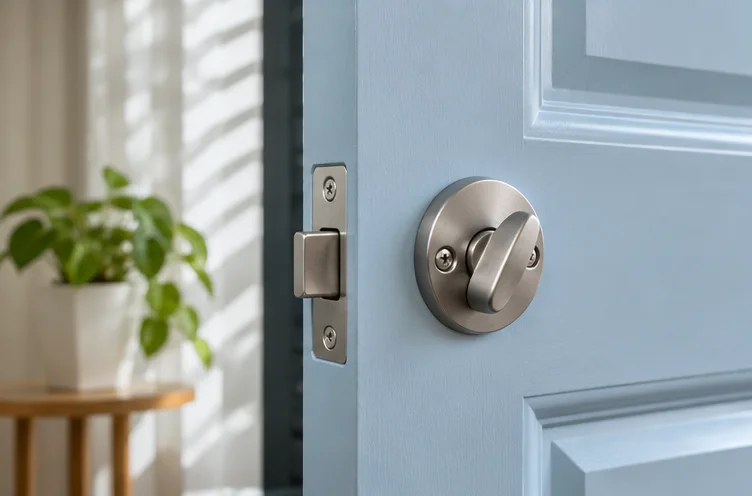
Walk the house in the order you use it
Start where you usually enter, then go around to the front door and any side or rear entrances. Write down every opening with a keyed cylinder. If a door has both a knob lock and a deadbolt, list both. Think about who uses each entry and whether someone needs to get in through a different door before or after work. A pedestrian door from the garage is easy to overlook when everyone normally comes in through the front.
Two buildings on a property can share a driveway while having different keys for good reason. Say if the door belongs to the main house, a rental unit or a detached room. Find out who can authorize changes if someone else lives there. When you arrange a visit around La Habra Boulevard or Whittier Boulevard, a unit number and directions to the actual entrance help more than a description of the house from the street.
Notice what shape the hardware is in while you walk around. Share whether a knob feels loose, a cylinder resists the key or a latch only catches after a hard push. A key change makes more sense when the lock is working well. A door that doesn't meet the frame may need attention to its fit as part of the plan.
Decide who should have a working key
A move is a natural time to make a new list of people who need access. Include residents and anyone you expect to enter while you're away. For a side unit or detached office, decide whether it should keep its own key. Talk through the list while everyone who controls the property is available. The layout of the property doesn't automatically dictate that every door should accept the same key.
Rekeying changes the key a compatible cylinder accepts. It can keep usable trim, handles and other hardware in place. Whether the current cylinder is suitable depends on its condition and design. If you want several openings keyed alike, mention what types of locks are installed and which ones must stay separate. Different hardware may need different options, even when the knobs have matching finishes.
If a key is missing, consider every entrance it serves. Tell us if it had identification attached or if you're concerned someone still has access. If you changed a lock recently and kept the old key for an unrelated door, use plain notes to keep the two clear. Label by function in a private place instead of putting a home address on a key ring.
Describe a lock that behaves differently when shut
Try to recall whether you had to lift, push or pull the door to lock it. If a deadbolt moved easily while the door was open but struggled once shut, report that difference. The bolt enters a strike on the frame. When those parts no longer line up, a good cylinder can feel like it is jamming. A change in the way the door was painted, hung or sealed can affect when it catches.
If the key binds every time, including when the door happens to be open, explain whether it stops before it sits fully in the cylinder. Say if several working keys feel alike or just one is difficult to use. Keep any broken piece available. Those observations let us discuss the problem without guessing that all of the door hardware needs changing.
Older houses, newer doors and remodeled entries can have different backsets, finishes and frame details. Take ordinary photos of the face of the lock and the edge of the door if the opening is accessible and you can do it comfortably. Mention any trim you want to keep and what you notice when the inside handle is used.
Plan for the way your household comes and goes
A keypad can suit a household that needs to give access to different people on different schedules. Talk through who will set codes, who should be able to remove them and how you will get in when power is low. For a lock that has a physical cylinder, ask how the key fits into the access plan. Keep codes and device information private until there is a reason to share them with the person working on the lock.
If someone in the home has difficulty turning a small knob, tell us what they need to use the door comfortably. A handle has to fit the opening and be easy for the household to use. For a shared building entrance, clear any hardware decisions with the manager first. Explain whether there is an alarm, a common vestibule or another resident who depends on the same door.
If you need just one door secured before the end of the day, identify that door. A more detailed key plan can follow once you know which openings operate well and which ones need more attention. For an occupied rental, arrange time to check the entry with the person who uses it regularly.
Check the house before putting the keys away
If you normally leave through the garage and return through the front, check those two entrances in that order. Make sure every resident can tell which locks were included and which keys still serve a separate entry. A printed note in a private place may help when an authorized visitor or new housemate needs to learn the arrangement later.
After work, try the affected entries from inside and outside with the people who normally use them. Make sure that a door latches in an ordinary swing and that it locks without anyone leaning on the handle. If one opening still has its own key, make sure that is clear to the household before the technician leaves.
For a residential locksmith in La Habra, CA, give us the door you want to address first and the reason for the change. Mention whether it's a move, a lost key or a lock that has been difficult to use for a while. Start with the decision you are trying to make and we'll discuss which details of the hardware matter for it.
Common questions
- Should I rekey after moving?
- Consider who still has working keys and which doors you will use. A compatible cylinder can often be rekeyed while retaining usable hardware.
- Can a sticking bolt be an alignment issue?
- Yes. Tell us if it moves easily with the door open and binds when it is closed. That helps distinguish the position of the bolt and strike from a problem with the cylinder.