
Locksmith services
Commercial Locksmith in La Habra, CA
If the entrance at your business starts to drag, misses its latch or needs a key change, tell LockReach Locksmith La Habra which opening is involved and how customers and staff use it.
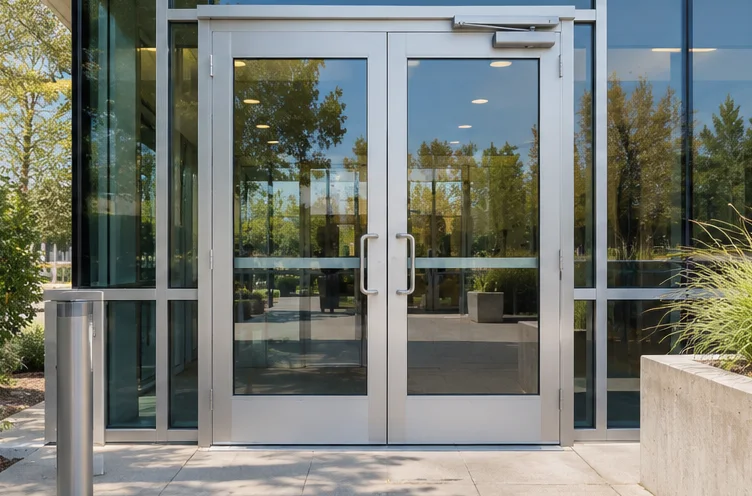
Follow the door through the workday
A storefront on La Habra Boulevard can work well for the first person in and still cause trouble after a line of customers or a morning delivery. Notice when the problem occurs. An opening that won't latch after a wide swing gives you a different clue than a cylinder that gets hard to turn every time someone locks up. Tell us whether the door is also used for deliveries or serves as the route staff use before business hours.
In a shopping center near Beach Boulevard or Imperial Highway, the public address may not lead to the opening. Identify the business, suite and direction of approach. A rear receiving door may look like the neighboring tenant's. Let us know whether the manager will meet us at the front and walk through the space, or whether there is an approved way to reach the affected door from outside.
If the issue affects an exit people depend on, bring it to the person responsible for the site promptly and follow the building's procedures. Keep the route clear. A door that has started catching can involve more than the key, and sometimes the person in charge of the opening is different from the tenant who first notices the problem.
Identify which part seems to be failing
A key cylinder accepts the key. The latch or bolt holds the door in position once it meets the frame. A closer controls the way the door returns. If the key works but the leaf springs back, let us know how it moves before it reaches the frame. If it shuts completely and the lock still feels unusually loose or tight, name that behavior separately.
Glass storefronts may have narrow aluminum edges around the hardware. A back door may be heavier and swing differently as air moves through a busy shop. Say if you noticed a bang, a sharp change after work on the building or repeated rubbing in one corner. If you can take a clear photo of the hardware with permission, include the edge and the frame. Keep other tenants' information out of the image.
With a controlled entrance, describe whether the credential worked, whether the door physically moved and whether the problem affects every user. The person who maintains the reader and the person responsible for the lock may handle different parts of the issue. It helps to know who can discuss those details before the technician arrives.
Review who controls keys and permissions
A new tenant may want the doors to accept a different key. Find out which openings the lease assigns to your business and which belong to building management. Write down the doors and the roles that need access. Decide whether everyone needs the same access or whether an office, stockroom or service entrance needs its own arrangement.
If the building already uses a master-key arrangement, coordinate with the manager before requesting a change. The way one cylinder fits into a shared system can affect people whose key also serves other openings. Tell us if you want to retain usable hardware and which current keys still operate the entrance. Agreement on the access plan usually makes the hardware choices easier to explain.
When someone leaves the company, confirm what permissions need to change and who can update a keypad or other credential system. A physical key plan and an electronic access plan may need separate actions. Keep a private record of the affected openings and communicate changes only to the staff who need the information.
Choose a practical service window
Describe how much foot traffic the opening gets, when deliveries arrive and whether there is an authorized alternate route while work is underway. A service visit before the first customers may work for one shop, while a gap between loading appointments may be better for another. Include the person who can open the building or turn off an alarm legitimately, and say where a technician can reach the door without obstructing another tenant.
Let us know what work was already done if the fault keeps returning. Perhaps the lock was changed recently but the entrance still hits the frame. The person who closes every evening might notice a symptom that isn't apparent during business hours. A short note on when it happens and how far the door swings can be easier to act on than a request to replace everything.
If you run more than one location, make a note for each site instead of grouping all doors under one problem description. Each entry can have its own manager, hours, hardware and access route. Give the full address and the person who will confirm that the repaired opening is ready to use.
Hand the opening back with a clear check
Ask the staff who use the opening after a delivery to report whether that was the moment when the latch used to miss. The closer may move differently when the door begins at its widest position. If a problem returns, have the person who saw it describe which direction the door was swinging and what stopped it. Share that with the building contact while the details are fresh. These observations are also useful for another shift that was not there during the visit.
Before staff return to their normal routine, see whether the door closes, latches and locks the way they expect. Have someone who opens or closes the shop try it. If work involved a change to the keys, tell affected people which access they should use. Keep any instructions about fallback entry private.
When calling a commercial locksmith in La Habra, CA, start with the opening that needs attention and the person who can authorize the visit. Explain what the door did during ordinary use. Knowing whether you are trying to keep a shop open, secure a rear door at closing or plan a tenant transition helps us talk through an appropriate next step. If more detail is needed afterward, you will already know the opening, the symptoms and the right building contact.
Common questions
- What if a storefront key still turns, but the door will not stay shut?
- Describe whether the door gets all the way to the frame and whether the latch catches. The door fit, closer and lock can be checked together.
- Who can approve a change at a shared entrance?
- Ask the building owner or manager who controls that opening. Confirm authorization before requesting a change to hardware or keys.