
Repair services
Garage Door Repair in La Habra, CA
If an existing garage door stopped, reversed or made a sharp noise, tell LockReach Locksmith La Habra where it was in its travel. We can discuss the door, tracks, springs, cables, sensors and opener.
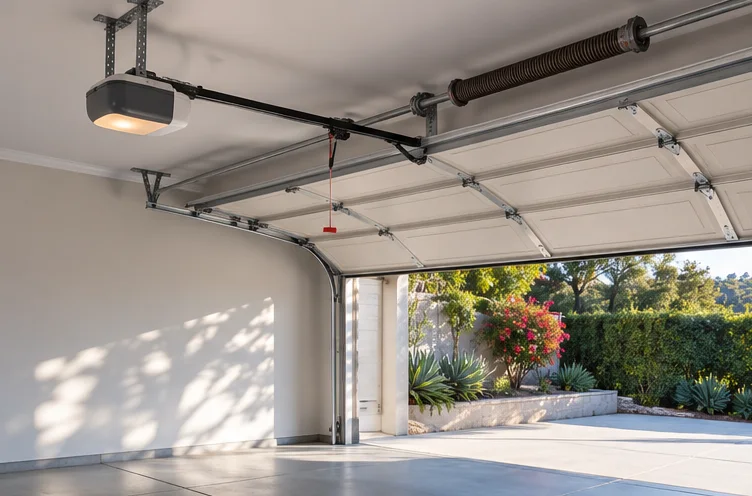
Describe the last trip up or down
Think back to the last cycle you watched. Did the door hesitate coming off the floor or change direction when it was nearly closed? Did the opener make noise without moving the panels? If one bottom corner dropped lower than the other, explain that first. Details about the direction and exact point where it stopped are often more useful than the brand name on the wall button.
If the garage is reached through a side drive or alley, give the address and a way to recognize the right door. Let us know if a vehicle is inside or the garage is the entrance you normally use. When there are several doors on the same driveway, say which one failed and who can give access to the opening. Near Whittier Boulevard and Imperial Highway, a cross street can help if the garage faces a side street instead of the posted address.
Leave a door where it is if it is visibly crooked, caught outside its track or hanging unevenly. Keep people and pets away from the opening. You can report what you saw without operating it again. A heavy overhead door and the force held in its spring system make it important to keep clear while it is waiting to be assessed.
Tell us whether the sound came from the door or ceiling
Springs help balance the weight of the panels. Cables help transfer that lifting force. The rollers guide the edges of the door along its tracks. A sharp noise followed by a heavy or immobile door can point toward the lifting equipment. A squeal or scrape at one spot could involve the rollers or the way the tracks are lined up. Share the sound you heard and where it seemed to come from.
Explain whether the door was already moving differently over the last week or whether the change was sudden. If a vehicle bumped the opening or something was stored against a track, say when it happened. You can describe a loose cable or uneven door from a clear position. Avoid touching loaded hardware, trying to release it or lifting an uneven door to see what happens.
Other conditions can show up around the same time. A roller can bind near a panel seam, while the motor might be straining because the door is harder to lift. Give the type of bay in ordinary terms, such as a private one-car opening or a wide double door. Neighboring bays can have different equipment, so name the opening you need help with.
Compare what the wall control and remote did
If a wall control works but a remote or exterior keypad doesn't, say which one you used and how the door responded. If all of them make the motor start but the door doesn't move, describe that pattern. A remote sometimes causes a different symptom from a physical obstruction or an opener unable to move a heavy door. Tell us what happened the last time you tried each control in normal use.
A door that reverses on the way down can involve the sensors by the floor, the path of the panels or the way the opener is interpreting the cycle. If you noticed a light or heard a signal, report it as you saw or heard it. Mention recent work or an outage if it happened at the same time. Safety features need to remain in use while the behavior is assessed.
If a building manager controls the opening, ask who handles the equipment and how the technician can reach it. A private garage behind a townhouse has different equipment and permissions from a shared vehicle gate. Name the type of opening and any controlled parking route in advance. If your car is inside, tell us whether you can reach it from an approved pedestrian entry.
Keep the assessment focused on the existing door
Tell us how the opening normally serves the household. Some garages are the main route in from a shared driveway. Others are detached or have another door that can be reached by walking around the property. If you need to get a vehicle out, describe your schedule and what the door looks like now. An access plan and an equipment assessment can then be discussed together.
If the door works most mornings and fails at a particular spot later in the day, describe when it happens and how regularly. Mention any earlier work on the tracks, panels or opener. A useful photo shows the general door position from a clear spot. A series of new attempts to make the same fault happen can be unnecessary when the equipment already looks out of position.
Ask which parts appear to be affecting movement and which controls can be checked after repair. If the motor has been struggling, the technician can account for whether the door moves and balances normally. If controls behave differently, explain the specific conditions from your last ordinary use. Keeping the observations separate helps avoid replacing a part based on one symptom alone.
Watch an ordinary cycle after the work
If a driveway serves several people, let them know when the opening is ready for ordinary use. A resident who last saw the door stalled partway may still be using another entrance. Review the changes with the people who handle the garage daily so any recurring sound or change in movement gets reported accurately.
After the technician has checked the door, observe how it opens and closes from clear of the opening. Confirm the controls that your household needs and share what changed with everyone who uses the garage. If something still sounds different, ask the technician about the noise while the original details are fresh. Keep the travel path and tracks clear when the opening goes back into use.
When you call for garage door repair in La Habra, CA, give the position of the door, what you heard and how to reach the affected bay. Say whether the problem is repeatable during ordinary use or happened suddenly. If you can only report where the door stopped and whether a car is inside, start there. That's enough to begin discussing what needs to be checked.
Common questions
- What should I do if a garage door is hanging crooked?
- Keep the area clear and leave the door in place. Tell us where both corners stopped and whether a car is inside.
- Why does the door reverse near the floor?
- The sensors, travel path or movement of the door may be involved. Tell us how far down it traveled and which control you used.